
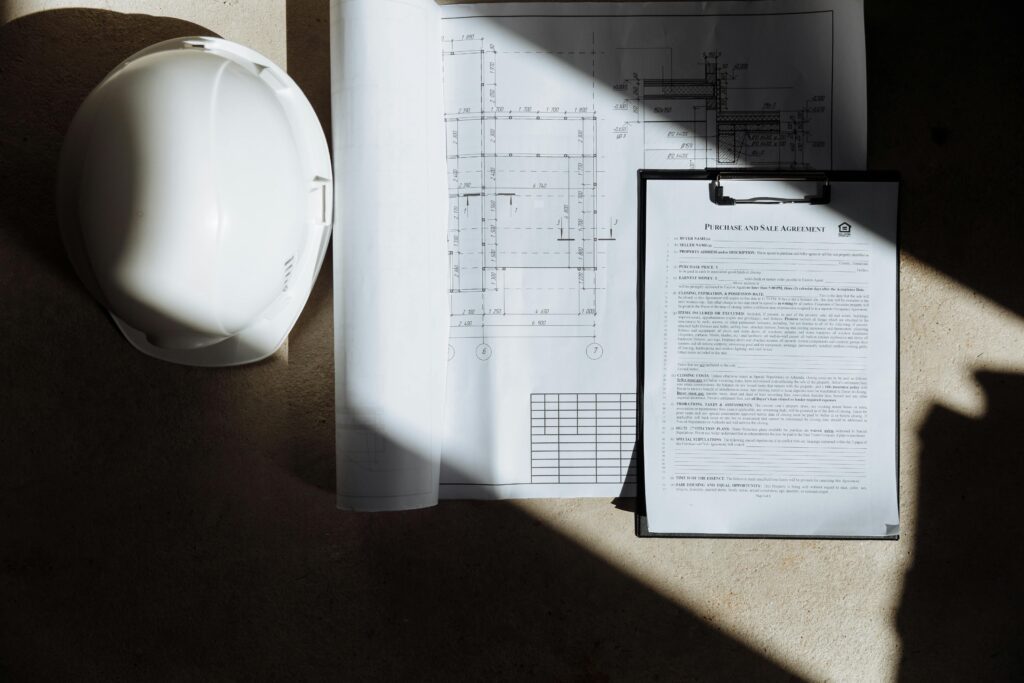
Construction contracts are essential documents in the construction industry. They outline the terms and expectations of a project, ensuring all parties are on the same page. Whether you are a contractor, subcontractor, or business/government entity, understanding the key components of these contracts is crucial for a successful project. Here’s a breakdown of the critical elements of construction contracts, including terms and conditions, scope of work, and project management responsibilities.
Key Components of Construction Contracts
- Terms and Conditions
The terms and conditions section of a construction contract establishes the legal framework of the agreement. This part includes:
- Payment Terms: Details on the payment schedule. including deposit amounts, progress payments, and final payment upon completion.
- Timeline: A clear timeline for project completion, including start dates, milestones, and deadlines.
- Liabilities and Insurance: Information about liability insurance coverage and responsibilities in case of accidents or damages during construction.
- Warranties: Any warranties provided by the contractor regarding the quality of work and materials used.
- Scope of Work
The scope of work is a critical section that outlines the specific tasks and responsibilities of each party involved in the project. It typically includes:
- Detailed Description of Services: A thorough description of the work to be completed, including drawings, specifications, and any relevant documentation.
- Materials and Equipment: A list of materials and equipment that will be used, including brands, models, and quantities.
- Change Orders: Procedures for handling changes to the original scope of work, including how changes will be documented and approved.
- Project Management Responsibilities
Effective project management is vital for ensuring that construction projects are completed on time and within budget. This section of the contract typically includes:
- Project Manager Designation: Identification of the project manager or contact person responsible overseeing the project.
- Communication Protocols: Established lines of communication between all parties, including how updates and changes will be communicated.
- Site Management: Responsibilities related to site safety, cleanliness, and compliance with local regulations and codes.
- Reporting and Documentation: Requirements for regular reporting on project progress, including the submission of invoices, timesheets, and other necessary documentation.
Understanding the key components of construction contracts is vital for all parties involved in a project. By familiarizing yourself with the terms and conditions, scope of work, and project management responsibilities, you can help ensure that your construction project runs smoothly and efficiently. Taking the time to understand these elements can save you from potential pitfalls and disputes down the line.